
Many of the world’s most well-known enterprises began in the United States, from Starbucks to Apple. These companies were formerly modest start-ups before they grew into industry titans. However, the commercial world is never as clear as it appears. Even though a corporation was started in the United States, that does not guarantee that it will remain there indefinitely. Indeed, you may be startled to learn that many brands are no longer American. Foreign investors have a huge part in the destiny of companies like IBM, Ben and Jerry’s, and Holiday Inn! Many of these firms would not exist today if they hadn’t intervened at the correct time.
Don’t Be Fooled By These Companies, They Were Not Owned By Americans Anymore
General Electric
General Electric began as a relatively tiny company in 1982. However, it has risen at an exponential rate since then. It now dabbles in a variety of areas, including healthcare, aviation, venture capital, and power. This is one of those brands that have a strong sense of belonging, thanks in part to the “Made in America” label on the items. But the truth is that since 2016, it has been owned by a Chinese corporation called Haier. GE was bought for $5.4 billion, which is on the upper end of the market. Even though the products are still manufactured in the United States, the final decisions are made in China.
General Electric
AMC
AMC cinemas have been providing moviegoers with peaceful and enjoyable moviegoing experiences for nearly a century. This corporation created a name for itself in the industry, eventually becoming the world’s largest movie theater chain. Even though the letters stand for American Multi-Cinema, the truth is that from 2012 to 2018, the largest shareholder was a Chinese corporation called Dalian Wanda Group. This changed in 2018 when Silver Lake Partners purchased a $600 million interest in the company. Despite this, Wanda Group continues to have the last say in executive-level decisions.
AMC
Budweiser
Some people believe that it doesn’t get any more American than this when it comes to beers. It may have been true in the past, but the truth is that, despite being found in Missouri and continuing to mention “America” on the container, this is no longer an American enterprise. This company was purchased for $52 billion by InBev, a Belgian beer conglomerate, in 2008. We can say it has an American past, but we can’t say the same about its future. In any case, we’re relieved that the parent business didn’t make any changes to the formula. It tastes precise as it did before!
Budweiser
Ben & Jerry’s
Over the years, this ice cream company has become a pop-culture icon. Ben & Jerry’s has been featured in numerous TV shows and movies as one of the most popular foods in the United States. Jerry Greenfield and Ben Cohen, two closest friends, began it as an ice cream business in Vermont in 1978. Things changed in 2000 when Unilever paid $326 million for the company. Among three firms interested in buying the ice cream company, the London-based multinational was the biggest bidder. This turned out to be a wonderful option because it helped Unilever improve its portfolio.
Ben & Jerry’s
Burger King
When most people think of fast food, they think of the United States. Burger King is one of the many locally owned and operated franchises. In 1954, David Egerton and James McLamore built the first “Insta Burger King” location in Miami. They had no notion that it would become an international brand. A decade later, they sold the company for the first time. It has since been owned by a number of different people. It is currently owned by Restaurant Brands International, a Canadian corporation. 3G Capital, based in New York City, continues to support BK financially.
Burger King
Trader Joe’s
When it comes to convenience stores, there has always been tremendous competition. This is especially true in more densely populated areas. In 1967, a man named Joe Coulombe began stocking odd and rare food items to draw people away from 7-Eleven and toward his store in Monrovia, California. His strategy worked. Despite the fact that it became a household name, he sold the company in 1979. It is presently owned by Theo Albrecht, who also owns Germany’s Aldi Nord grocery chain. He was born into a wealthy family and is estimated to be worth more than $16 billion! Whoa.
Trader Joe’s
Lucky Strike
Lucky Strike, popularly known as Luckies, appears to be the most popular American cigarette brand. People smoked the substance in the 1930s and 1940s due to its effective marketing strategy. This is why the brand became the most popular cigarette brand at the time. The company began doing business with a company called British American Tobacco in 1976. The American Tobacco Business and its subsidiaries, Lucky Strike and Pall Mall, were purchased by the UK company in 1994. Despite the fact that it has undergone numerous transformations, it is still considered a uniquely American brand. This is due to its popularity in popular culture. Mad Men highlighted the brand prominently!
Lucky Strike
American Apparel
People were lured to American Apparel in part because of its tagline, “Made in the USA — Sweatshop-free.” Making ethical customers support the LA brand was a brilliant concept. The company was performing exceptionally well until 2015 when it began to struggle to get back on track. Gildan Activewear, a Canadian corporation, saved it two years later by purchasing the rights to its name and production equipment for $88 million. We doubt that American Apparel would still be in business today if this had not occurred. The brand is still officially based in the Americas if you want to be literal about it.
American Apparel
7-Eleven
Every great company in the world began with a single person with a dream. This also applied to 7-Eleven. In 1927, Jefferson Green was a regular guy working at Southland Ice when he wanted to expand his product line. He began to include bread, eggs, and milk in his offerings. It proved to be a successful business concept, and his Dallas-based company grew even stronger after renaming it 7-Eleven after its retail hours. It has become ingrained in American culture throughout the years. However, it had a tough time during the 1987 financial crisis. This is when Ito-Yokado, a Japanese corporation, stepped in to assist it. It became a subsidiary of Seven & I Holdings as a result of this.
7 Eleven
Sunglass Hut
Sunglass Hut is the greatest location to shop for many American eyewear enthusiasts. From tinted shades to clear glasses, the company has everything you need. It operates in South Africa, India, the United Kingdom, and other countries. Despite this, the corporation began in Miami, Florida, with the idea of an ophthalmologist named Sanford Ziff. The company was sold five years after it opened its 100th location in 1986. Luxottica purchased it for $653 million in 2001. There were around 1,300 stores in operation at the time. There are over 2,000 stores around the world right now!
Sunglass Hut
Motorola
Motorola, most known for its technology products, began in Schaumburg, Illinois, long before we were even aware of the concept of mobile phones. It grew steadily after its inception in 1928, reaching its pinnacle of success with flip phones and other similar devices. It was eventually purchased by Google, but in 2014 it was sold to Lenovo, a Chinese corporation. Since buying the company for $12 billion two years before selling it for $2.9 billion, this has not proven to be a beneficial move for Google. People are still perplexed as to why Google was content to lose $10 billion on this deal.

Motorola
Ironman
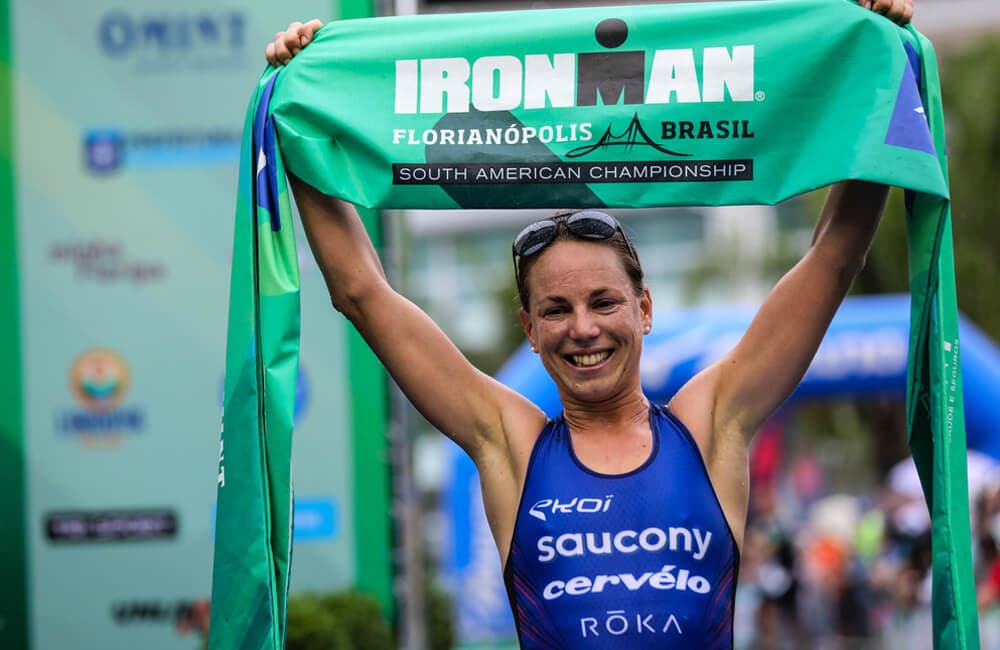
As part of the Hawaii Triathlon Corporation, the Ironmen competition was founded. It was purchased for $3 million in 1990 by Dr. James P. Gills. Since then, it has grown into a much larger organization than it was at the start. The company was bought for $85 million in 2008 by Providence Equity Securities. It was bought for $650 million by the Dalian Wanda Group seven years later! It turns out that in order to do so, the Chinese corporation had to take on the debt of the previous owner. Wanda was ecstatic about the 40 percent net increase it saw year after year, despite the fact that it had been successful prior to the current configuration.
Ironman
Forbes
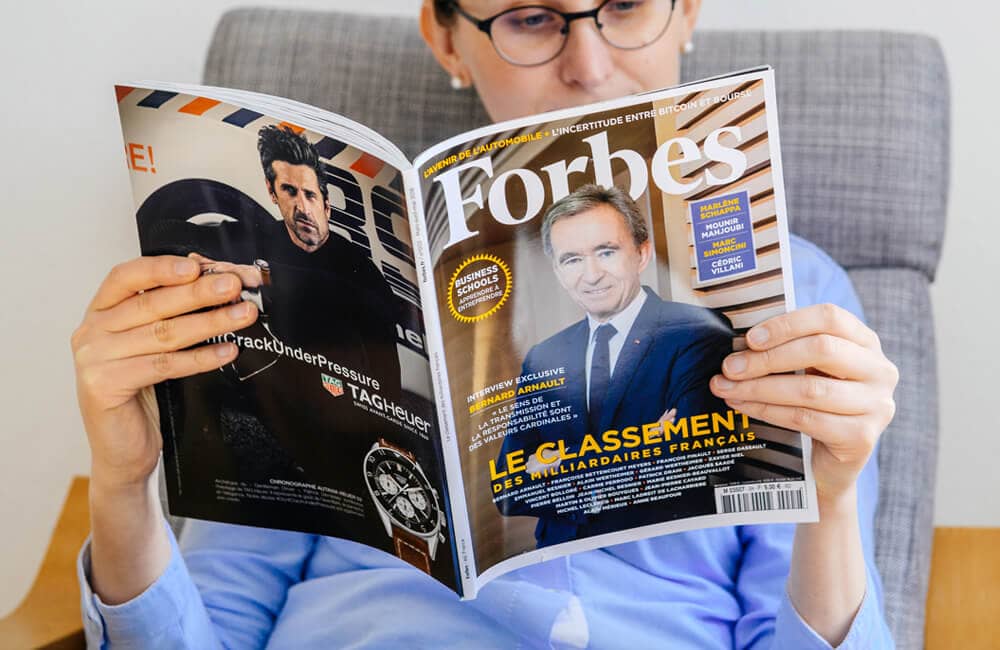
Forbes published its debut edition in September 1917. Isn’t it amazing that it’s been 103 years since then? It has subsequently grown into a respected publication that publishes definitive and dependable celebrity and company rankings. We’re confident you’ve heard of its well-known lists like the World’s 100 Most Powerful Women and 30 Under 30. Although many people believe it is an American journal, the truth is that it is now owned by Integrated Whale Media Investments, a Hong Kong-based firm. Forbes was purchased for $400 million in 2014. However, we doubt that the readers saw any differences before and after the sale was made.
Forbes
Dirt Devil
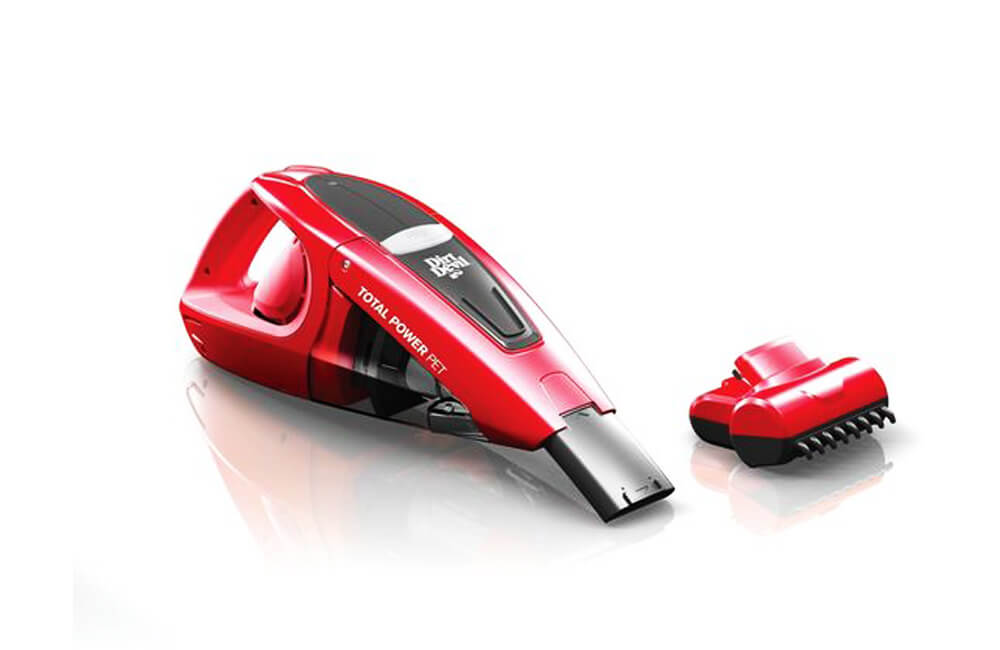
Dirt Devil vacuum cleaners have been helping Americans keep their homes clean for over a century. Philip Geier of Cleveland, Ohio, invented the product in 1905. Since then, the product line has grown to include more than 25 million units sold. This is largely due to the Cyclone system’s uniqueness. Despite the fact that its headquarters are still in North Carolina, Techtronic Industries, a Chinese business, proudly owns the company. Dirt Devil isn’t its only household appliance brand; it also owns Hoover, which it acquired a few years ago. We are confident that the HK-based company’s appliance investment portfolio has improved as a result of these actions!
Dirt Devil
Good Humor
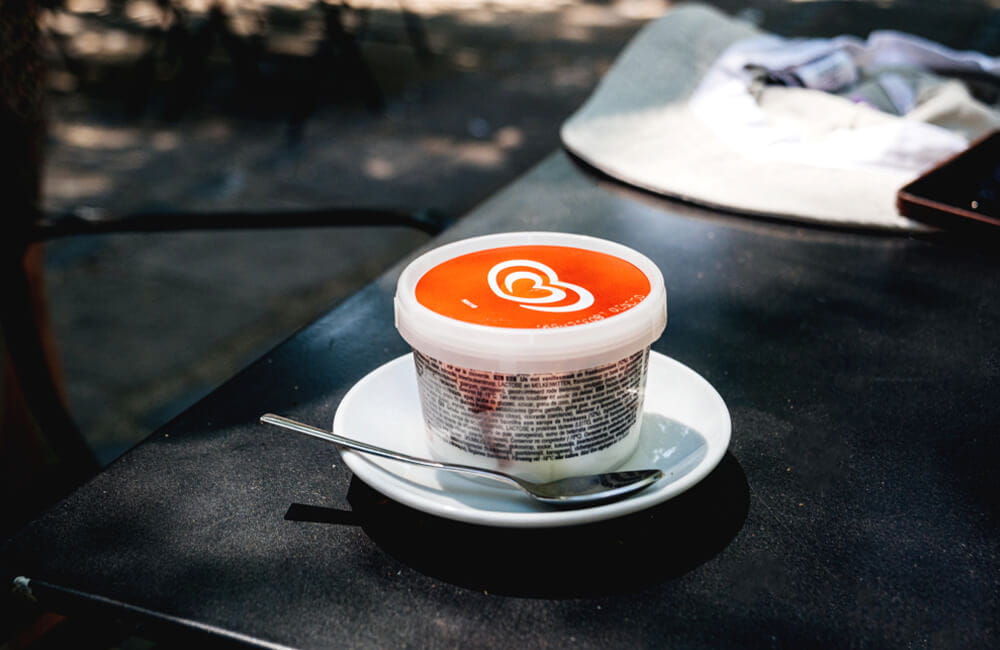
Good Humor ice cream has a particular place in the hearts of baby boomers. The business has been in operation for almost a century and is best known for its ice cream trucks. It all started in Ohio in the 1920s, and it hasn’t looked back since! Unilever’s Thomas J. Lipton purchased the company in 1961. Even while Lipton currently runs the British-Dutch company’s US division, we can’t dispute that things have only gotten better for Good Humor since then. After all, the company has since expanded its product line to cover a wider range of items while maintaining a strong consumer following in the country.
Good Humor
Popsicle
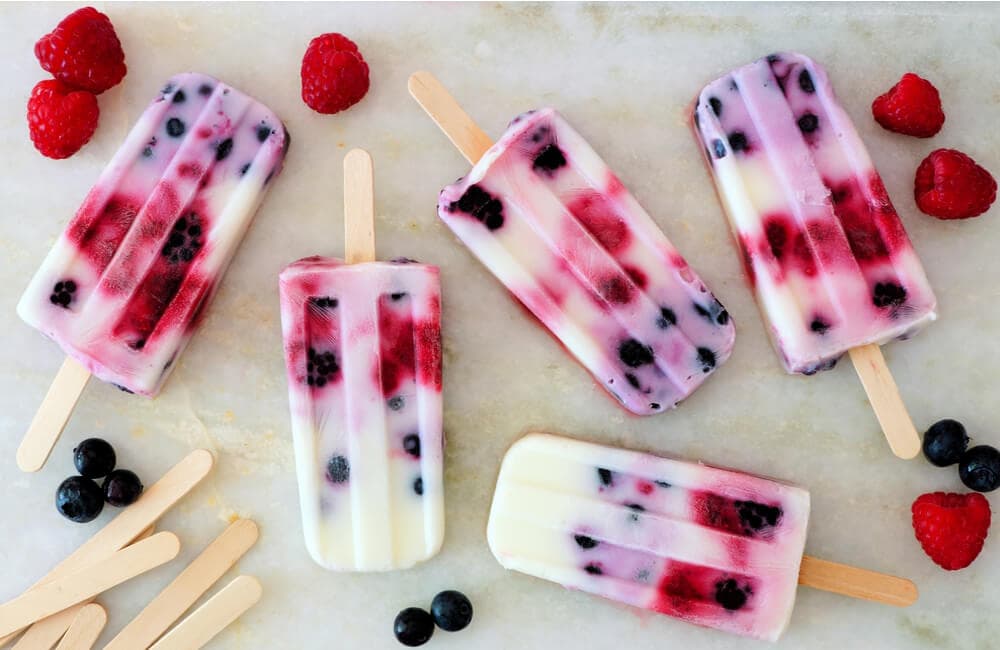
Just wait till you learn about this company’s amazing history! After mistakenly leaving his drink outside with a stick in it for a full night, an 11-year-old boy from Oakland, California invented the Popsicle recipe. He found it frozen solid when he went to retrieve it the next day! It was presented to the globe by Francis Epperson while he was a teenager. He sold the rights to Joe Lowe in 1925 after it became an instant hit. “I haven’t been the same since,” he admitted. While it was still a Unilever division, Good Humor bought Popsicle in 1989. In effect, it now belongs to the same English-Dutch parent business.
Popsicle
Purina
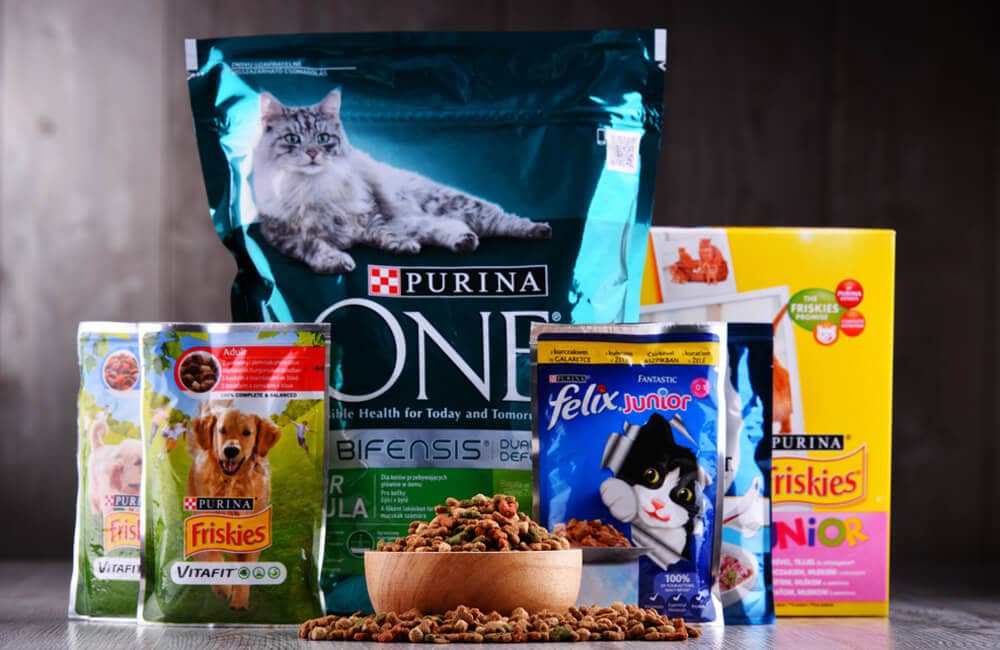
Purina was founded in 1894 by George Robinson, William H. Danforth, and William Andrews, who began feeding farm animals. They had no notion that their creation would make them extremely wealthy. Despite the fact that Nestle is better known for its food than its pet food, the Swiss business bought Purina for $10.3 billion in December 2011. This decision was made as part of the company’s strategy to integrate Purina with Friskies PetCare, its pet food division. Purina, in any case, remains a household staple not only in the United States but also around the world.
Purina
Firestone
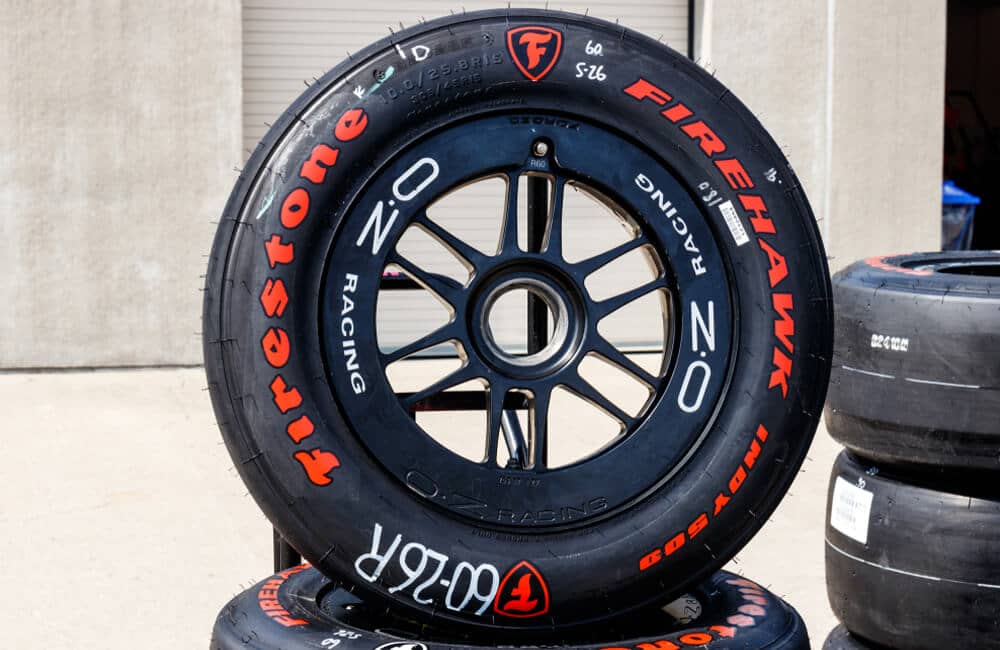
Firestone Tires was given the opportunity to merge with Pirelli, an Italian firm. The deal, however, did not sit well with everyone. Firestone instead chose to sell to a Japanese business called Bridgestone Corp. for this reason. The Tokyo-based business paid $2.6 million for it, equating to $80 per share. Bridgestone became the country’s second-largest tiremaker as a result of this move. “The Bridgestone offer satisfies our objective of boosting shareholder values and will add considerably to the employment stability and development prospects available to the men and women employed by Firestone’s existing businesses,” a Firestone representative told the Los Angeles Times.
Firestone
Gerber
In 2007, Nestle announced its intention to spend $5.5 billion on the acquisition of Gerber Products Company. It was the appropriate decision because it gave the Swiss business the largest share of the baby food market. It’s a tremendously lucrative market. Since 1927, when Daniel Frank Gerber’s wife started making baby food for their daughter Sally, the baby food shop has been in business. He considered selling the product, and five different products were shortly offered to the market. The company has come a long way since its humble origins in New Jersey!

Gerber
Citgo
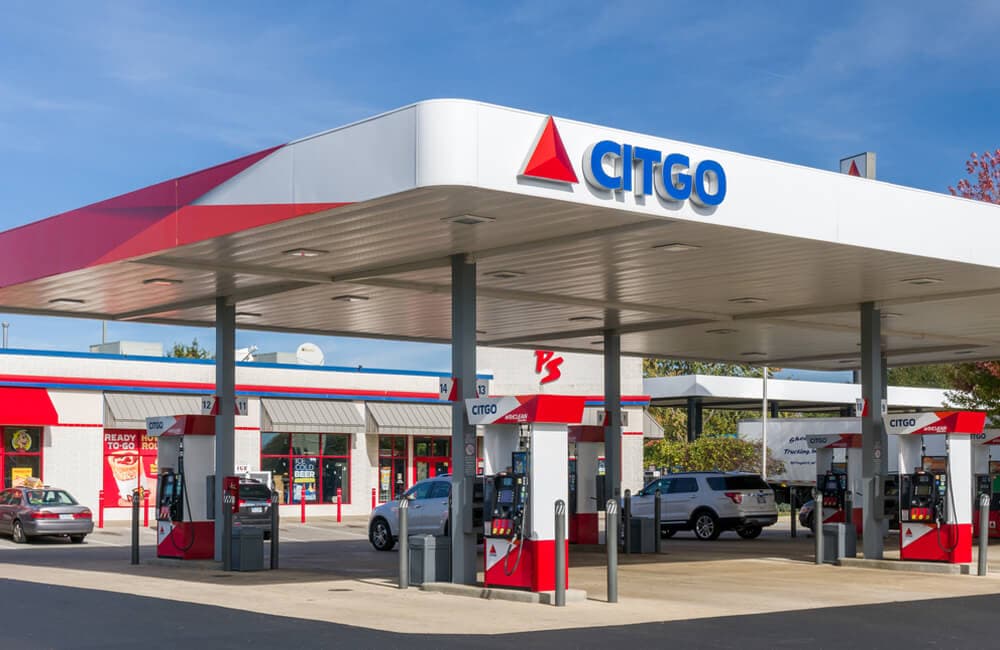
Citgo was founded in Oklahoma in 1910 and has since grown to be a major marketer and refiner of fuels and other products. Petróleos de Venezuela, a Venezuelan corporation, bought half of it in 1986 and became its parent firm. Unfortunately, things have not been going well for it. President Hugo Chavez announced his intention to sell Citgo to the world, citing “poor business” as the reason for the company’s declining profitability. Instead of selling the property, they sold bonds. The South American country was in the midst of an economic downturn in 2013. It was offered to Russia as loan collateral, but its future is uncertain.
Citgo
IBM (PC Division)
Since its inception in IBM, the corporation has aided the United States in maintaining its technological leadership. It was more involved in business machinery than computers back then. To say the least, IBM has an interesting history. Lenovo paid $1.75 billion for its PC segment in 2004. “As Lenovo’s founder, I am excited by this milestone in Lenovo’s journey to becoming a global corporation,” said Chuanzhi Liu, the company’s CEO at the time. “Today’s announcement further strengthens IBM’s ability to seize the highest-value opportunities in a fast-changing information technology market,” IBM CEO Sam Palmisano said in a statement.
IBM (PC Division)
Legendary Entertainment Group
Dalian Wanda Group chose to go all-in by purchasing a movie studio in 2016 after purchasing AMC and seeing significant success in the movie business. In a $3.5 billion deal, Legendary Entertainment Group sold its stake to the Chinese corporation. Dalian Wanda Group wanted to include it into its current portfolio at the moment. However, it eventually came to the conclusion that it would be best to keep it running as-is. Let’s take a look at how things are going for LEG now that it’s been four years since the purchase. Jurassic World: Fallen Kingdom, Pacific Rim: Uprising, Kong: Skull Island, and Skyscraper! have all been produced since the acquisition.
Legendary Entertainment Group
Hoover US
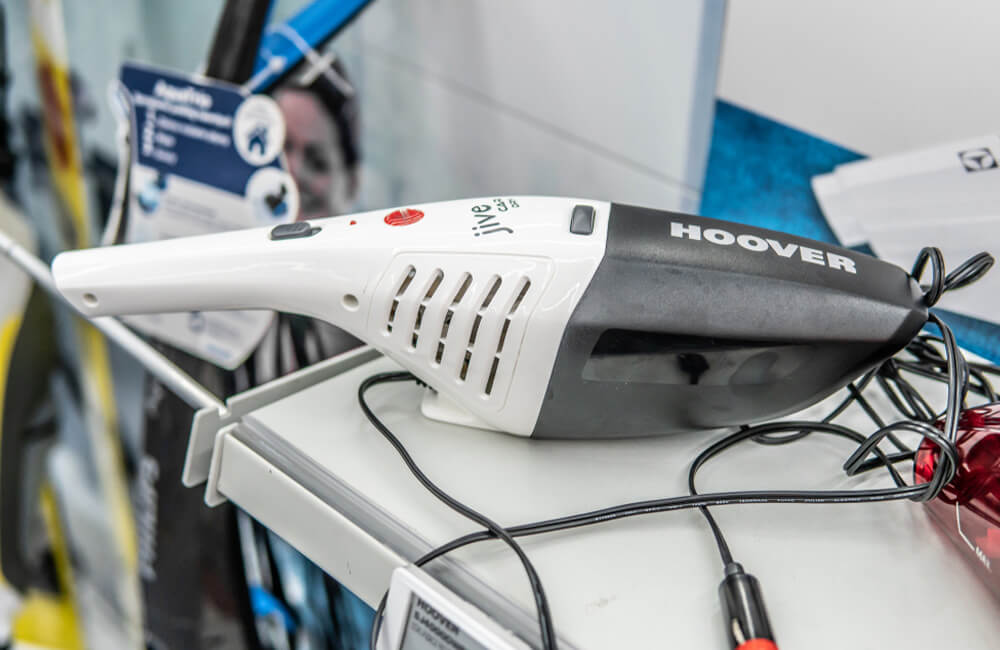
Hoover has built a reputation as a reliable American appliance brand when it first opened its doors in 1908. The corporation, which bears the name of its founder, William Henry Hoover, has become a household name. Even while things stayed local for a long time, after Techtronic Industries bought it for $107 million in 2006, things changed. The headquarters are still in North Carolina, but the central office has moved to Hong Kong. With over 30,000 employees and annual sales of more than $7.7 billion, the Chinese corporation is massive. It is in good hands, despite the fact that it is no longer an American enterprise.
Hoover US
Frigidaire
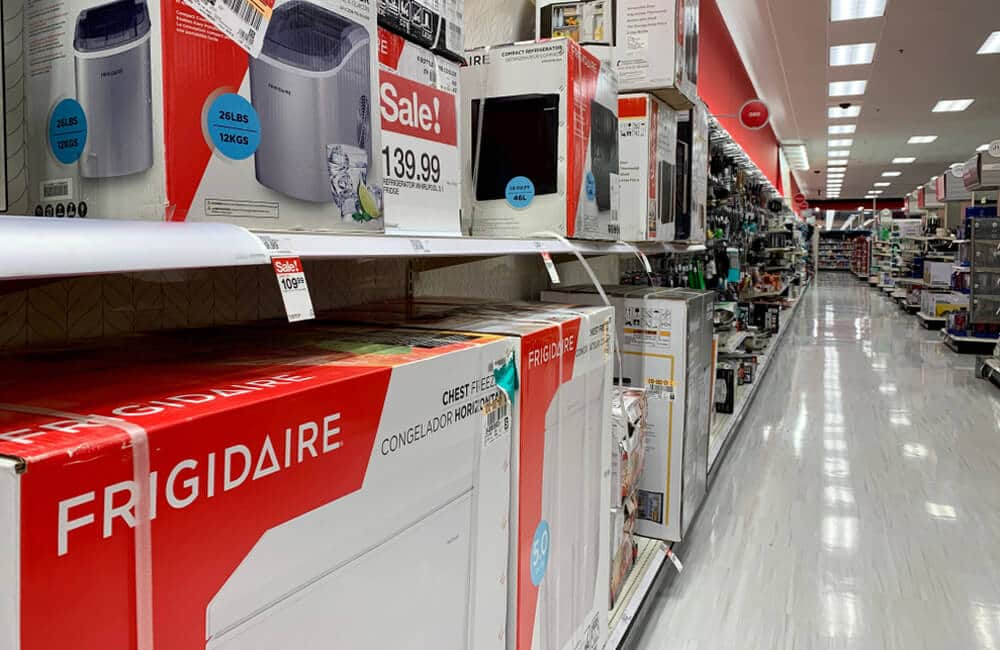
Frigidaire, formerly known as the Guardian Frigerator Company, was founded in Indiana in 1918. While Alfred Mellowes and Nathaniel B. Wales came up with the concept, they lacked the funds to make it a reality. This is where General Motors’ William C. Durant came in! He put money into the company, allowing the two of them to get it to where it is now. It was owned by the White Sewing Machine Company from 1979 to 1979. In 1986, however, it was purchased by Electrolux, a Swedish firm. Even though Frigidaire is still a part of this firm, it appears to be doing well.
Frigidaire
Strategic Hotels And Resorts
There are 17 luxury hotels in the United States and one in Germany in this hotel network. In 1997, Strategic Hotels and Resorts was founded. Laurence S. Geller, a philanthropist, and real estate investor was the driving force behind it. In 2016, a Chinese business called Anbang Insurance Group was rumored to be interested in purchasing it for $6.5 million. However, it appears that the transaction was eventually renegotiated since the insurance firm purchased the hotel chain for $1 million less. This was due to the fact that one of the properties was unable to be sold. Because it was close to a navy installation, the US government prohibited it from proceeding.
Strategic Hotels And Resorts
Alka-Seltzer
Alka-Seltzer is one of the world’s oldest branded medicines. In 1931, the Dr. Miles Medicine Company, now known as Miles Laboratories, began selling this pain reliever and antacid drink. In 1978, a German corporation named Bayer purchased it after it had been in American hands for a long time. Bayer has a reputation for mixing it up with the world’s most powerful pharmaceutical businesses. It even formed a contract with GlaxoSmithKline in 2004 to collaborate on a combined campaign using the “Strike Up A Conversation” tag line to boost Levitra sales.
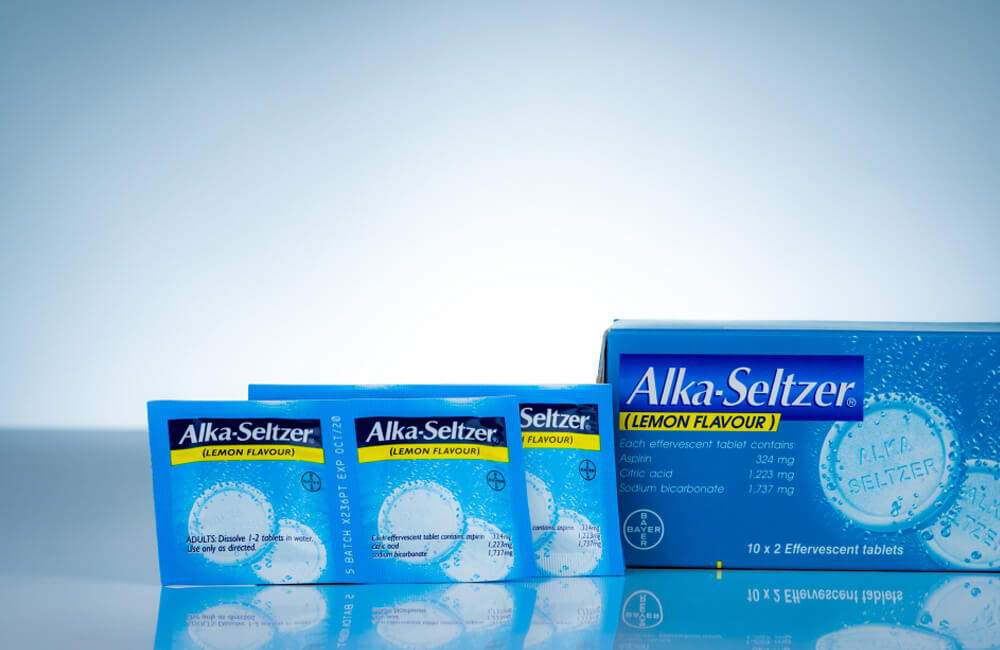
Alka-Seltzer
The Chrysler Building
When The Wall Street Journal reported on the sale of the Chrysler Building in 2019, many people were taken aback. After all, it was one of the most recognizable towers in the New York skyline. But the truth is that it hasn’t been in the hands of an American in a long time. The Abu Dhabi Investment Council purchased the majority of the company for $800 million in 2008. A decade later, it was purchased for more than $150 million by SIGNA, an Austrian corporation. When the news broke, it was viewed as a massive loss that made headlines in a variety of financial publications throughout the world.
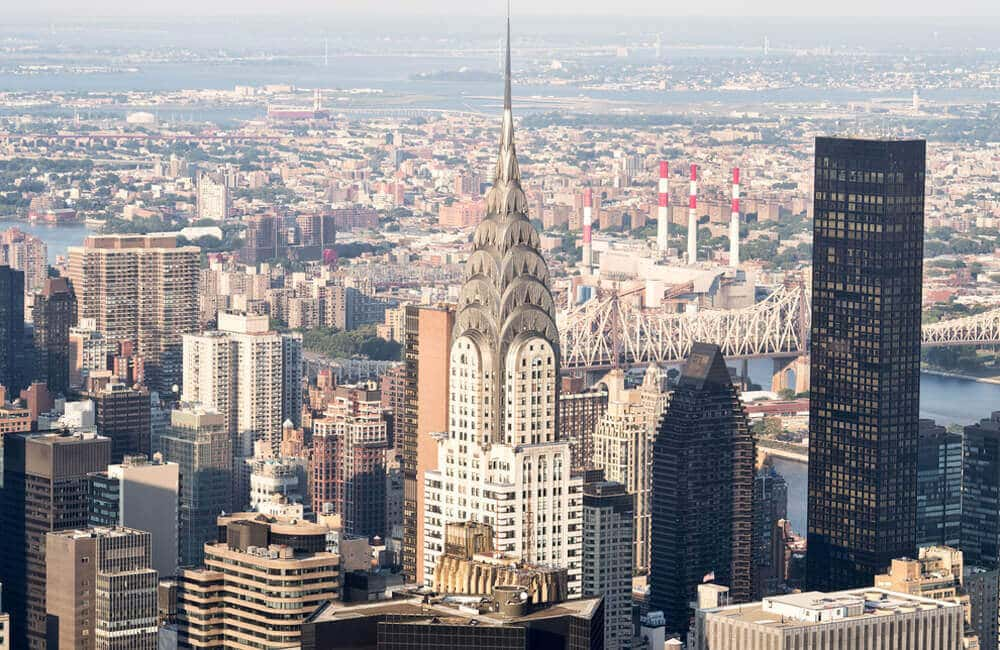
The Chrysler Building
General Motors
Did you know that GM is the world’s largest automaker? It is one of the world’s largest corporations in the industry, making it an extremely tempting and lucrative venture. Despite the fact that it is not wholly controlled by Shanghai Automotive Industry Corp, it continues to rely on the Chinese firm for financial support. In 1998, the two businesses formed a partnership. Customers may not realize it, yet SAIC sells cars under the GM brand. In any case, the SAIC and GM headquarters are in Shanghai and Detroit, respectively.
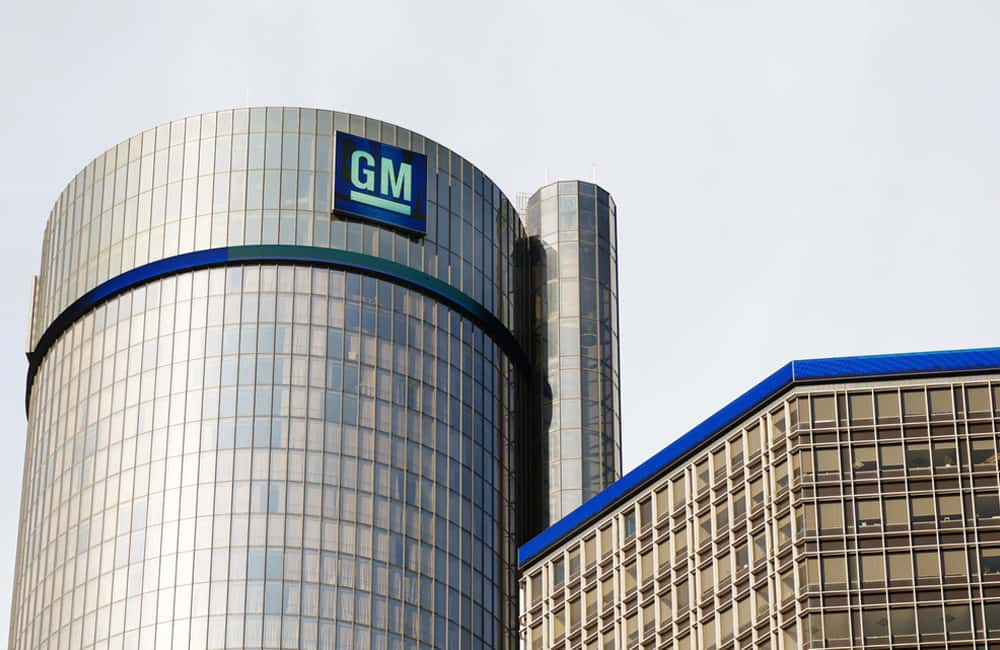
General Motors
Spotify
It’s difficult for us to envision a period when we couldn’t listen to our favorite tunes with the simple press of a button. We are grateful to Spotify for making this happen! The New York-based firm was formed in 2006 and quickly gained a reputation for allowing fans to stream music. Its origins are in Sweden, but it has traveled to many other nations since then. Spotify and Tencent Holdings each bought a 10% stake in the other in 2017. The joint venture was successful in assisting Spotify’s entry into the Chinese market while also allowing Tencent to grow its repertoire. The streaming service has been struggling to expand its foothold in China before they teamed up for this.
Spotify
The Waldorf Astoria Hotel
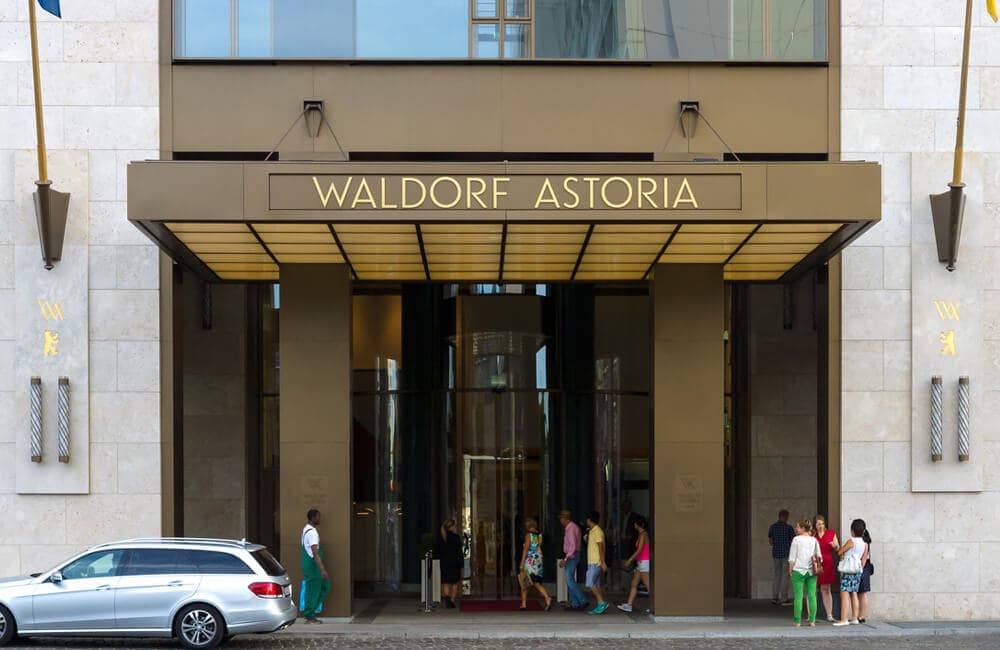
The Waldorf Astoria Hotel is an excellent choice for premium accommodations. It is not only a New York institution but also an important element of American history. The hotel is managed by Hilton Worldwide, however, it was purchased for $1.95 billion by Anbang Insurance Group in 2014. It is the most expensive hotel in history because of its ridiculous pricing. The Chinese corporation made significant changes to the hotel, including converting a portion of the rooms into condos. The insurance corporation is also looking to buy more American companies. Starwood Resorts was one of the properties it had been considering.
The Waldorf Astoria Hotel
Tesla
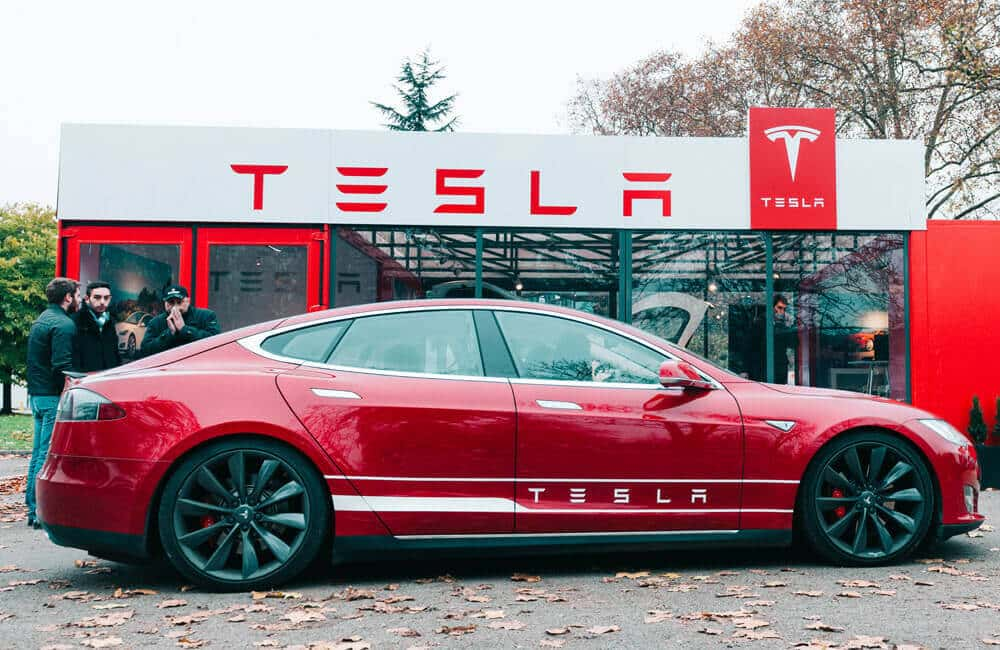
Elon Musk, dubbed “the brains behind Tesla,” has a 21.7 percent interest in the California-based corporation and is its main shareholder. Other than him, the corporation has a large number of stockholders, including Tencent Holdings Ltd. It turns out that the Chinese corporation is interested in a variety of topics, not only music. Tencent is also the world’s largest video gaming firm and one of the largest social media companies. It even has a $95.8 billion net profit in 2019. Whatever they’re doing, it’s obvious that they’re doing it correctly! We are confident that it will continue to expand in the future.
Tesla
Snapchat
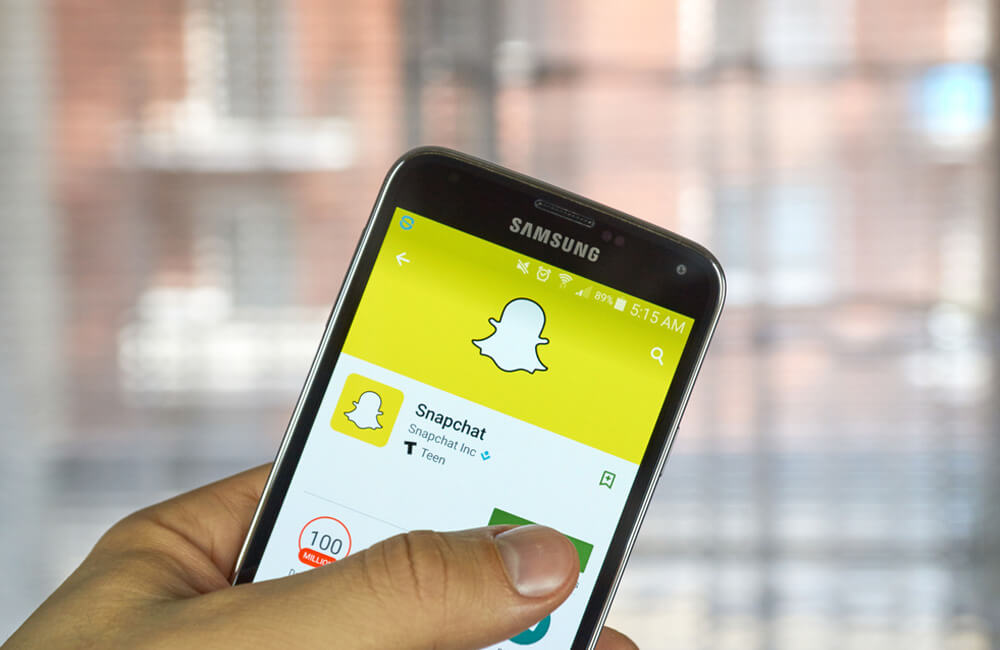
We doubt that the trend of adding ridiculous filters on our images would have started if it hadn’t been for Snapchat. Bobby Murphy and Evan Spiegel started the app in 2011 with no idea how big it would become. Snapchat is estimated to be valued at more than $20 billion at the moment. Tencent, a Chinese firm, was able to expand its reach to Snapchat in 2017. This internet behemoth paid more than $2 billion for a 10% interest in the social networking firm, hoping to profit handsomely. Apart from that, Tencent aided Snapchat in the development of augmented reality capabilities by leveraging its technological knowledge.
Snapchat
Ingram Micro
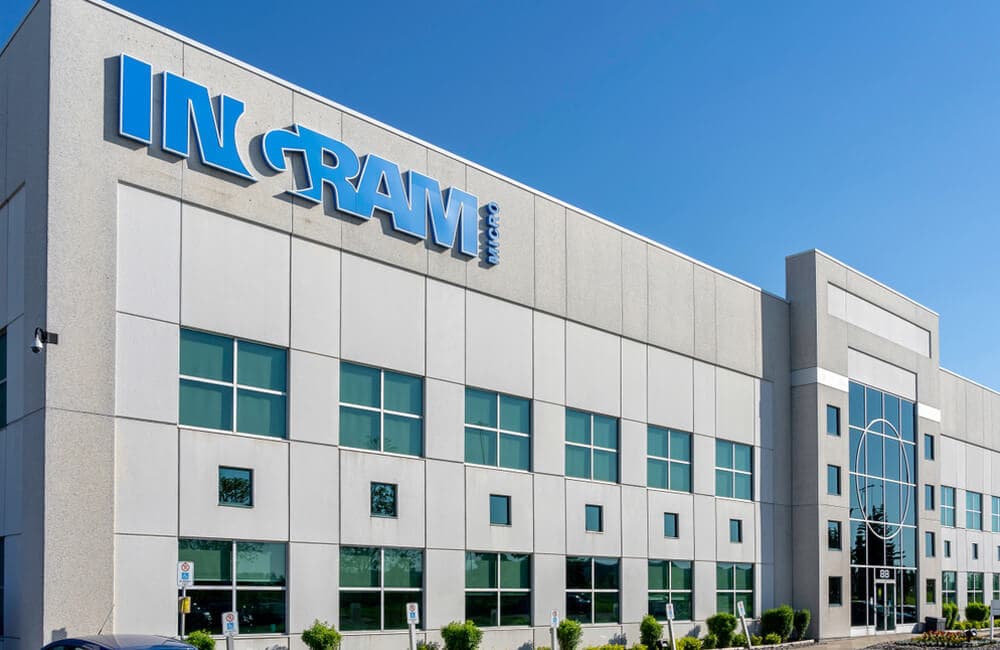
Ingram Micro began as a small electronics goods dealer in 1979. After then, it was able to grow into a multibillion-dollar corporation! It was able to take over Softinvest, a Belgian corporation, in the early 1990s. Ingram was able to distribute HP products as a result of this move, giving them a stronger presence in the market. Tianjin Tianhai Investment, a Chinese business under the HNA Group, purchased Ingram for $6 billion in 2016. As a result, it became one of the parent company’s top earners across the board. On the other side, Ingram gained a stronger international presence as a result of this.
Ingram Micro
Fidelity & Guaranty Life
Fidelity and Guaranty Life Insurance Company has helped countless people secure their financial futures since it was established in 1959 in Des Moines, Illinois. As a result, its own future had been anything but certain. It was previously owned by Harbinger Group, but in 2013, the parent company made it available to the general public. F&G was sought after by Anbang Insurance Group, which paid $1.57 billion for it. Everything appeared to be going according to plan until the Chinese company pulled out of the agreement at the eleventh hour. CF Corp bought F&G for $1.84 billion in 2017 after the company’s plans changed at the last minute.
Fidelity & Guaranty Life
Universal Music Group
Being signed to Universal Music would be a dream come true for any aspiring musician. Along with Warner Music Group and Sony Music, it’s one of the “Big Three” record labels in the business. For nearly a century, UMG has been a leader in the music business. Although it has aided in the development of many domestic musicians, the company is no longer wholly American. In the past, Vivendi, a French company, held the majority of the company’s stock, but Tencent acquired it in 2020 through a deal. They paid $33.4 billion for a 10% stake in the record company, and they’re not the only ones.
Universal Music Group
WeWork
Shared workspaces have become increasingly popular in recent years, as we’re sure you’ve noticed. Freelancers and small businesses alike will find this setup appealing. Since its inception a decade ago, WeWork has taken advantage of this. It’s now in charge of 4 million square meters! On the other hand, in 2016, it hit a rough patch and required additional funding. Legend Holdings Corp., based in Beijing, became a “new partner” and invested over $430 million in the company at that time. This investment is both strategic and obvious for us,” says Legend Holdings Corp.’s John Zhao.
WeWork
Segway Inc
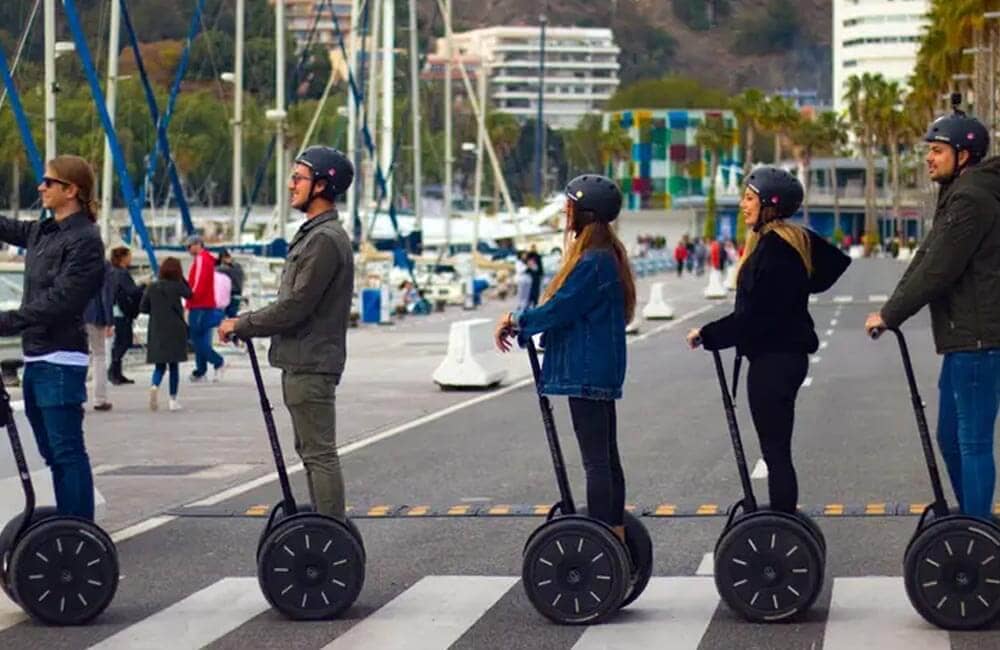
People used to think that zipping around on two wheels was something out of a science fiction movie until the last few decades. Our friends at Segway Inc. have shown us that this is possible in the real world as well. In 2015, Ninebot, a Beijing-based company, paid $80 million for the transportation company. Since then, Segway’s fortunes have only improved as the Chinese company has helped the company gain a stronger foothold in the tech and robotics industries. The company announced in 2018 that it planned to relocate its New Hampshire manufacturing sector to China. The majority of production would, however, remain in Bedford, as originally stated.
Segway Inc
John Hancock Life Insurance
The John Hancock Financial Opportunities brand sells a wide range of goods. Life insurance policies are the company’s most well-known product, however. It’s been in business since 1862 when it was established in Boston. However, Manulife Financial, a Canadian corporation, acquired it in 2004. It was up to the new parent company whether or not to keep the John Hancock name or change it completely. Manulife Financial is a Toronto-based company with over 34,000 employees and 63,000 agents.
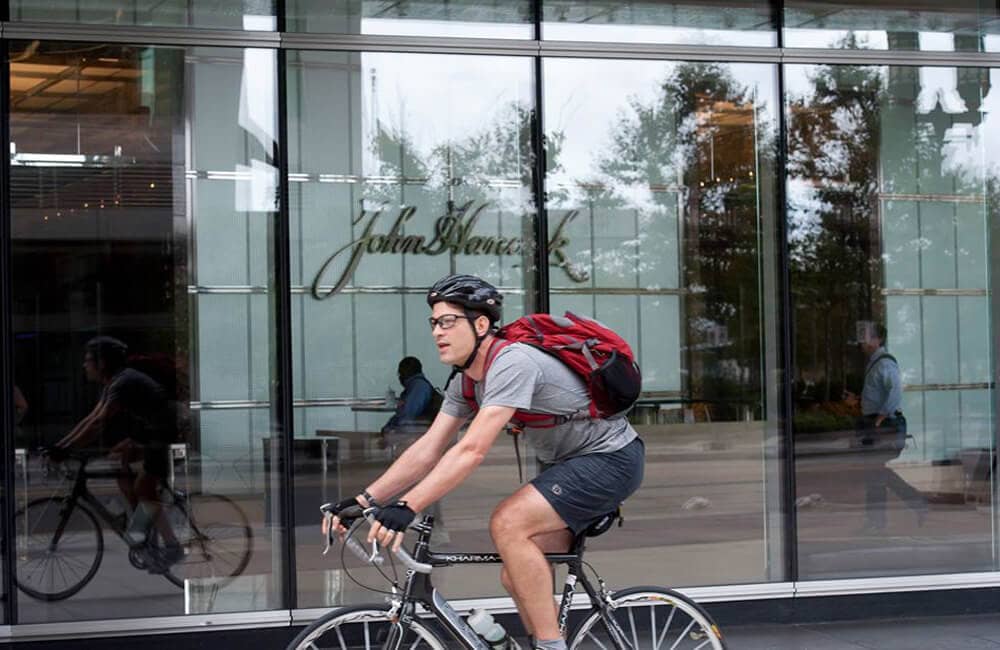
John Hancock Life Insurance
Sotheby’s
An art broker in New York City was interested in a Chinese life insurance company. In 1744, Sotheby’s opened its doors in London. It did, however, open a store in New York City before expanding internationally. Taikang Life Insurance Co. Ltd., a Chinese company, announced in 2016 that it had become the majority shareholder in Sotheby’s. It remained that way until 2019, when Patrick Drahi, a French-Israeli businessman, purchased Sotheby’s. However, the fate of the Chinese insurance group’s 13.5% stake in the company is unknown.
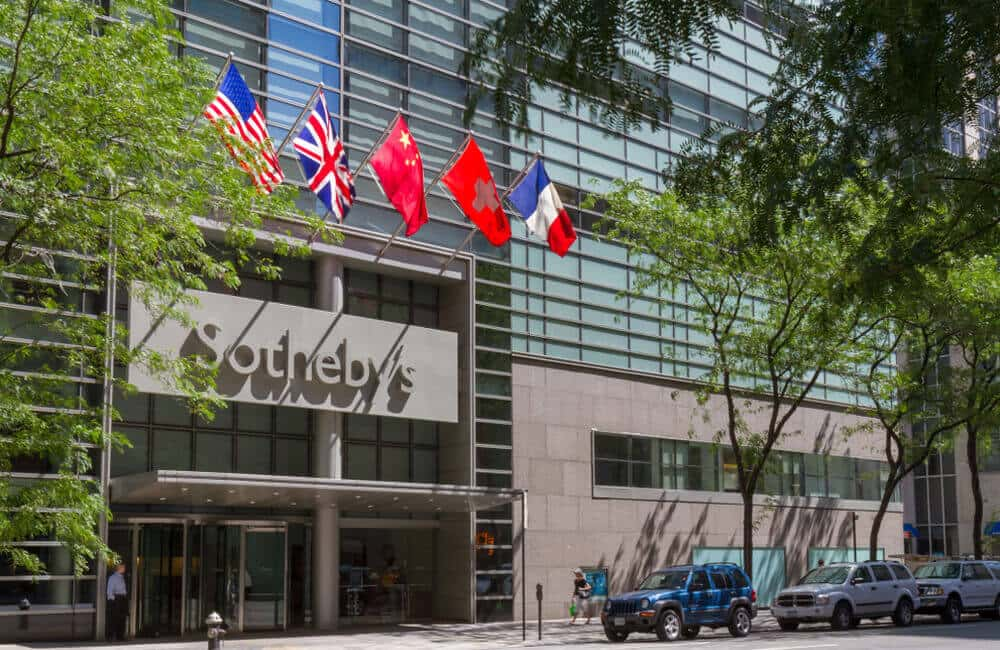
Sotheby’s
The Barclays Center
The iconic Barclays Center is well-known among sports and music fans alike. Earlier this year, Joseph Tsai, a Taiwanese-Canadian business tycoon, completed the purchase of the historic venue. In addition, the chairman of Alibaba Group bought the NBA’s Brooklyn Nets. Tsai promised then that “with full ownership of the Nets and Barclays Center, we will continue to bring our exciting brand of basketball to our fans. “We’ve made a strong commitment to Brooklyn,” he continued, “and it will be a privilege to present the best of Barclays Center with its great entertainment to our community.”
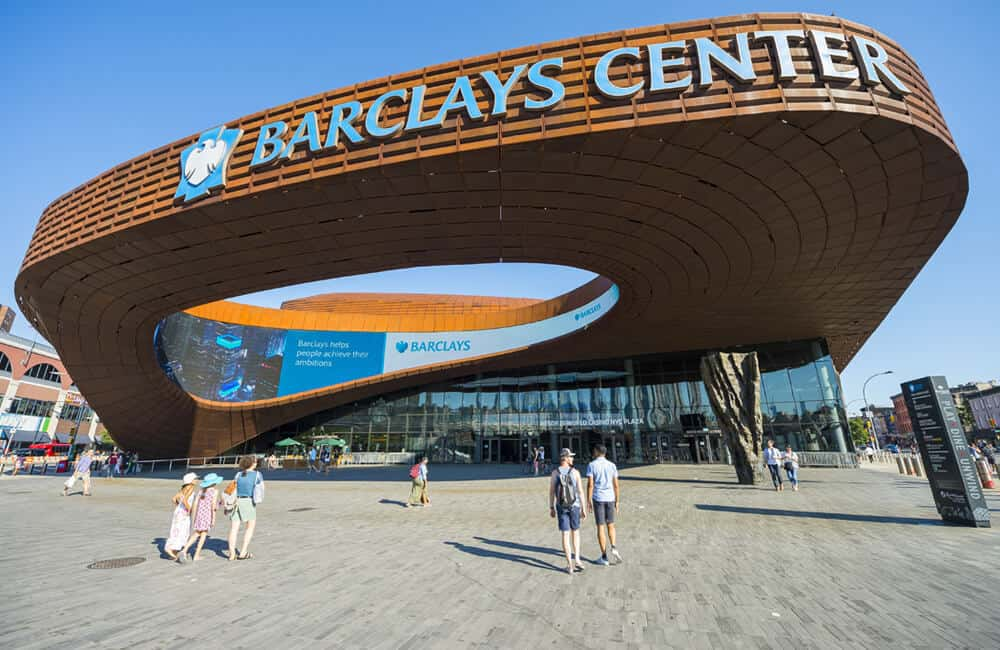
The Barclays Center
Brookstone Inc
Brookstone Inc. began in the mid-1960s as a mail-order company that sold unique and hard-to-find tools. Eventually, it began selling a wide range of goods such as remote control toys and alarm clocks. It had 34 U.S. locations as of 2018. However, in 2014, the company faced financial difficulties and even declared bankruptcy. It’s a good thing that Sanpower and Sailing Capital, two Chinese conglomerates, bought it for $173 million and saved it. Our thanks go out to them for saving Brookstone from bankruptcy just in time. People were relieved when, in July of that year, the company emerged from bankruptcy.
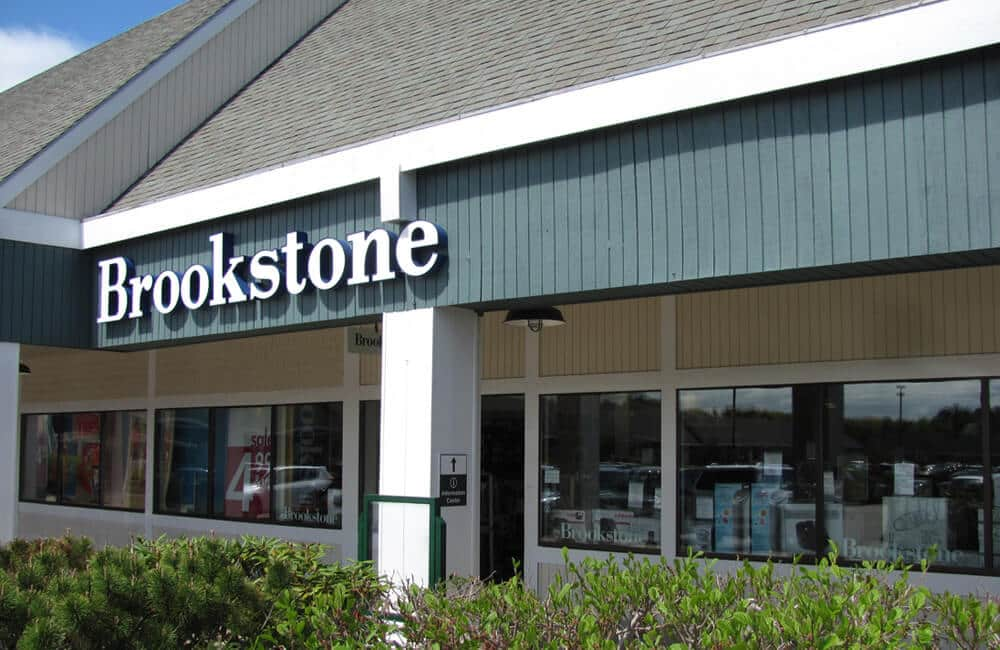
Brookstone Inc
Dairy Farmers of America Inc
A company called Dairy Farmers of America, with a name like that, is associated with China? Despite what you might think, it’s a fact! Inner Mongolia Yili Industrial Group and DFA teamed up in 2014 to build a new processing plant that will produce milk powder. It happened around the same time that a drought in New Zealand prevented China from producing milk. This had the effect of cutting off the country’s supply. As a result of this, the Inner Mongolia Yili Industrial Group has increased its global footprint. The two organizations are friendly despite the fact that DFA does not own it.
Dairy Farmers Of America Inc
Fab.com Inc
There is a lot of competition in the online design industry for any company. Tencent Holdings has invested $1 billion in Fab.com Inc., which was previously based in New York. Fab had expressed a desire to enter the Asian market in the past. According to CEO Jason Goldberg, it’s a way to enter markets with strategic partners who can help reduce risk and increase the likelihood of success. In 2015, PCH International, a two-year-old company, purchased the firm. Since then, it’s been rebranded as a wellness company with a focus on yoga apparel.
Fab.com Inc
The Cleveland Cavaliers
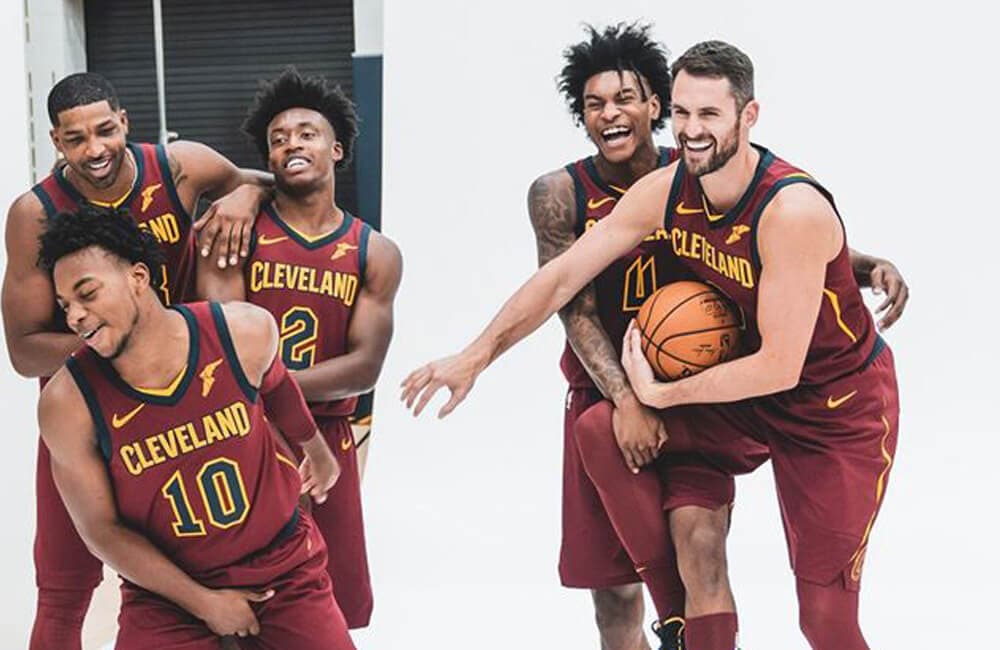
The NBA’s first team was sponsored into the league in 1970. After that, the Cleveland Cavaliers continued to grow. The Goodyear Tire and Rubber Company, for example, lent their support to the project. When it came to foreign investors in 2019, however, they began to arrive in earnest in 2019. Previously, the Cleveland Cavaliers had partnered with the New York Yankees and other American sports teams through businessman Jianhua. According to media reports, he bought a 15% stake in the NBA team for $125 million. There’s no need to be alarmed, as foreign investment in sports teams is nothing new. The reason Lebron James is so popular in China is because of this.
The Cleveland Cavaliers
Riot Games Inc
Riot Games is well-known to anyone who has ever played the massively multi-player online game League of Legends. After its initial release in 2009, the game quickly grew in popularity and is now the company’s most well-known offering. Despite the fact that Riot Games and Tencent have been working together for a long time, their relationship peaked in 2015. The remainder of Riot Games’ shares were purchased by a Chinese conglomerate, which subsequently became the company’s parent. It already held a 93% stake in the gaming company prior to this. As a result, we believe the new development was already predetermined. Riot Games is estimated to be worth $6 billion.
Riot Games Inc
Uber Technologies Inc
For the most part, we can’t imagine our lives without Uber. With the app, users can hail a cab at the touch of a button. Inventors Travis Kalanick and Garrett Camp hatched the plan in 2009. Since then, we’ve come a long way! It is now a multi-billion dollar company and a household name not only in the US but around the world. To aid its growth in China, Baidu Inc., a Chinese internet company, invested over $600 million in 2014. Since Baidu was able to use the app to expand its own mobile payment service, the move was mutually beneficial. We’re relieved that everything worked out in the end!
Uber Technologies Inc
OmniVision Technologies Inc
The partnership between OmniVision Technologies Inc. and Will Semiconductor Co. Ltd. was announced a full year after it had been formed. By the time the story broke in April of this year, they had already transacted over $2.1 billion in transactions. We don’t know a lot about the sale because they kept it so low-key. OmniVision did begin talking to Chinese investors in 2015, however. This was around the time that two Chinese conglomerates teamed up to pay $1.9 billion for the California-based firm. Unknown Chinese company Will Semiconductor Co. Ltd. decided to take over it. People are still baffled by this.
OmniVision Technologies Inc
Baby Trend Inc
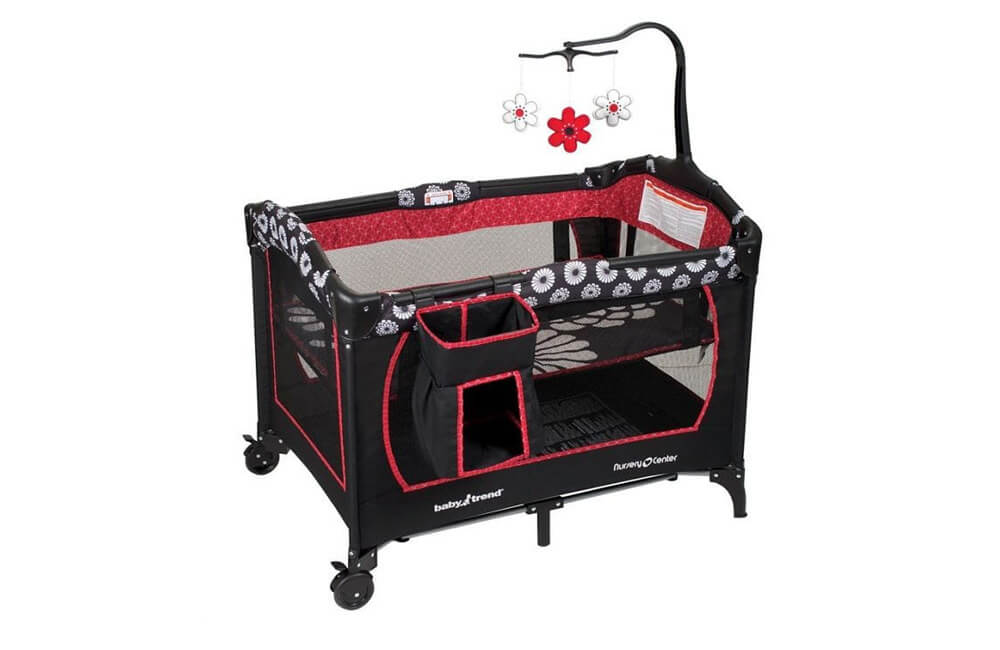
Car seats, high chairs, and diaper pails are all available from this baby product manufacturer, which was founded in Fontana, California. It grew steadily over time, especially after being acquired by the Chinese conglomerate Alpha Group. A spokesperson for Alpha Group said vice president Wang Jing said the company was “excited to offer safe, educational and entertaining solutions” to infants and their caregivers around the world. Our innovative technology and outstanding intellectual properties are now available in an entirely new category, allowing us to demonstrate our global expertise in the baby and infant market as well.
Baby Trend Inc
University of Texas MD Anderson Cancer Center
After learning in 2012 that a Beijing-based company called Concord Medical Services bought a fifth of the M.D. Anderson Cancer Center Proton Therapy Center at the University of Texas, a lot of people were confused. Even though the university’s ownership stakes were not affected, the Chinese company’s profile was raised as a result of the deal. Dr. Jianyu Yang stated, “Proton treatment has become a widely accepted method of radiation therapy.” Concord Medical’s medical chairman and CEO, holds both positions. In the future, Concord Medical plans to open and operate two proton centers in China. This deal gives us the opportunity to learn from the world’s leading proton therapy cancer care provider and gain valuable experience and knowledge about proton therapy center operations.”
University Of Texas MD Anderson Cancer Center